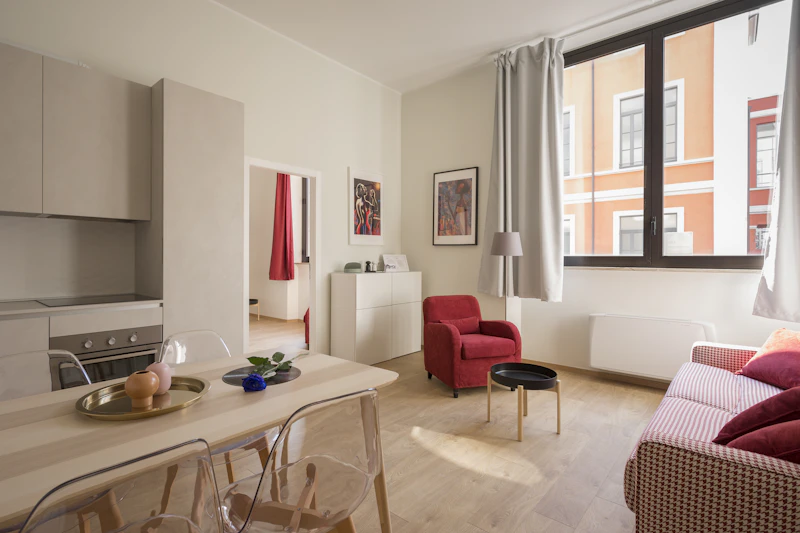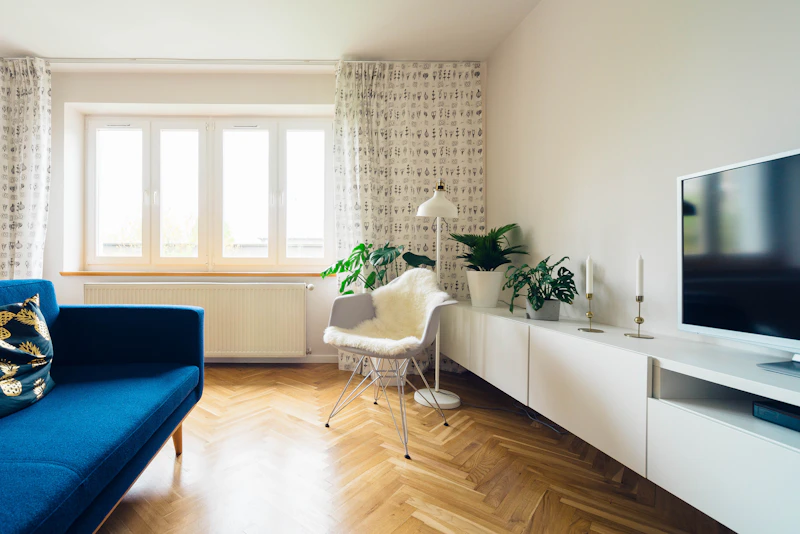
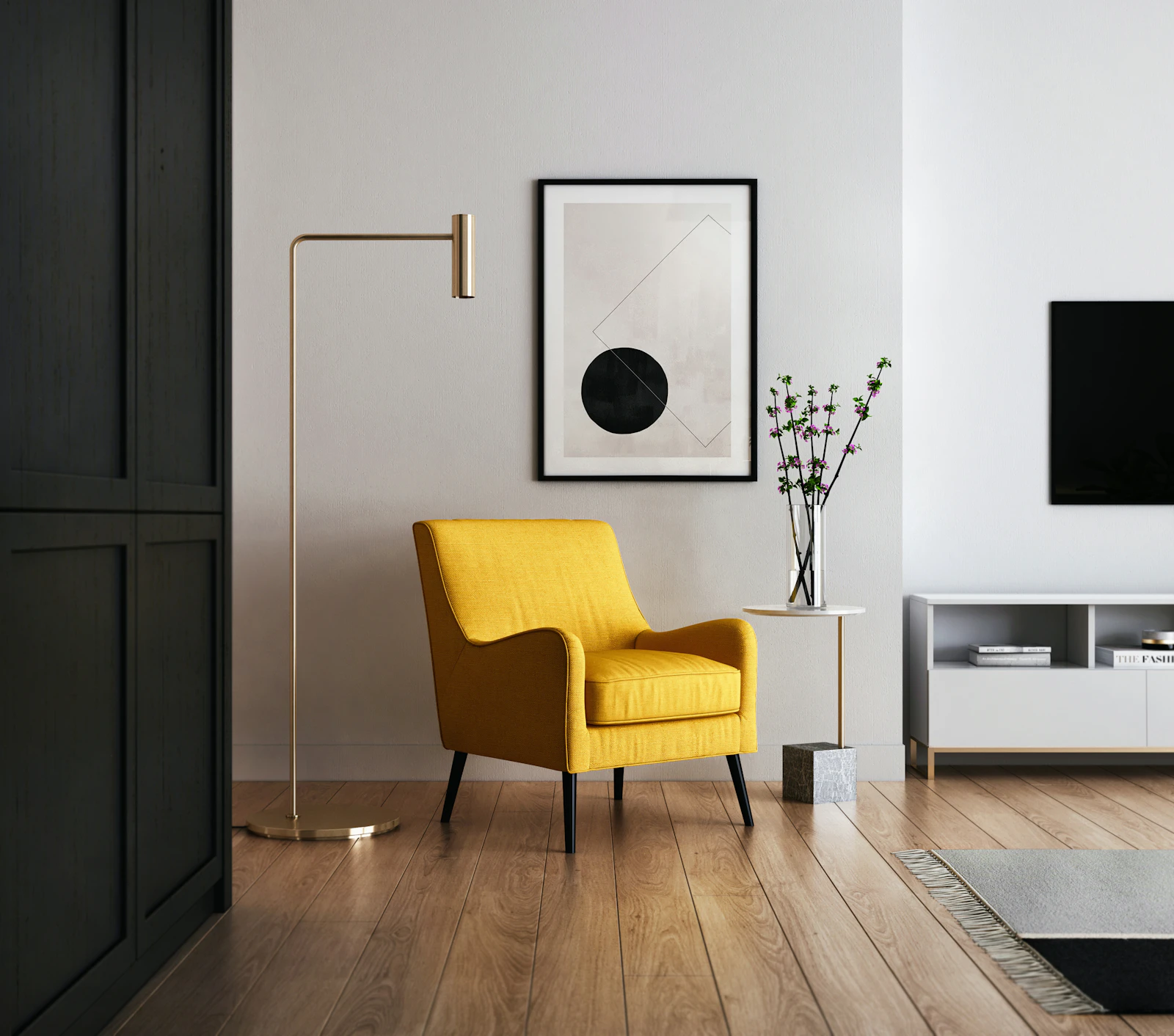
The same shade can look warm and inviting in one room and grey and cold in the next. Which way the window faces explains most of it.
Nearly every disappointed-with-the-colour conversation starts the same way: it looked completely different on the card. It did — because the card was under a showroom tubelight, and your wall is lit by a north-facing window.
Which way the room faces
- North-facing. Steady, cool, slightly blue light all day. It drains warmth out of colours and makes greys look cold and flat. Choose shades a step warmer than you think — creams, soft clay tones, warm off-whites. Cool greys and pale blues can look bleak here.
- South-facing. Bright warm light most of the day. The most forgiving aspect. Cool colours look balanced rather than cold, and strong shades hold their character.
- East-facing. Warm in the morning, cooler and flatter by afternoon. Think about when you actually use the room — a bedroom can take the morning warmth, a home office that is used after lunch cannot rely on it.
- West-facing. Flat in the morning, strongly warm and golden in the evening. Shades with a yellow or red base can become intense at sunset. Test in the evening if that is when you use the room.
Undertone beats the name
Two beiges can look nothing alike on a wall because one has a pink undertone and the other a green one. The reliable way to see it is to put candidates side by side against a sheet of plain white paper — the paper neutralises your eye and the undertones become obvious.
How to test properly
- Paint a patch at least two feet square — small dabs tell you very little
- Put it on more than one wall, including the darkest corner
- Paint onto white paper or board rather than over an existing strong colour
- Look at it morning, afternoon and under your own lights at night
- Give it two days before deciding
Your bulbs matter as much as your windows
Warm white bulbs (around 2700K) push colours towards yellow and make creams glow. Cool white (4000K and above) flattens warm shades and sharpens greys and blues. If you are changing both the paint and the lighting, decide on the lighting first.
The ceiling trick
A ceiling painted in a very dilute version of the wall colour — rather than stark white — makes a room feel taller and the walls look more deliberate. It is one of the cheapest improvements available and almost nobody asks for it.
Bring the room to us
Tell us the aspect, the room size, what the flooring is and what time of day you use it. That is usually enough for us to narrow a thousand shades down to four worth testing.